
Agricultural Rubber Components
Agricultural equipment operates in conditions that test rubber compounds from multiple directions simultaneously. A tractor underhood seal faces engine heat and oil exposure exactly as an automotive application does, but it also operates outdoors in continuous UV and ozone, contacts biodiesel fuel blends that attack standard nitrile rubber, and may be splashed with fertilizer or herbicide solutions that attack other compounds. A combine harvester door seal must survive years of ozone and UV while maintaining compression through Michigan winters and August harvest heat. Getting these right means understanding each zone of the equipment, not just selecting a general “agricultural-grade” rubber.
Wayne Rubber manufactures custom rubber seals, gaskets, o-rings, vibration mounts, and protective components for tractor, combine, planter, sprayer, irrigation, and grain handling equipment in Wixom, Michigan. The Michigan agricultural equipment manufacturing and service corridor (including OEMs, dealers, and custom fabricators) is part of Wayne Rubber’s local market.
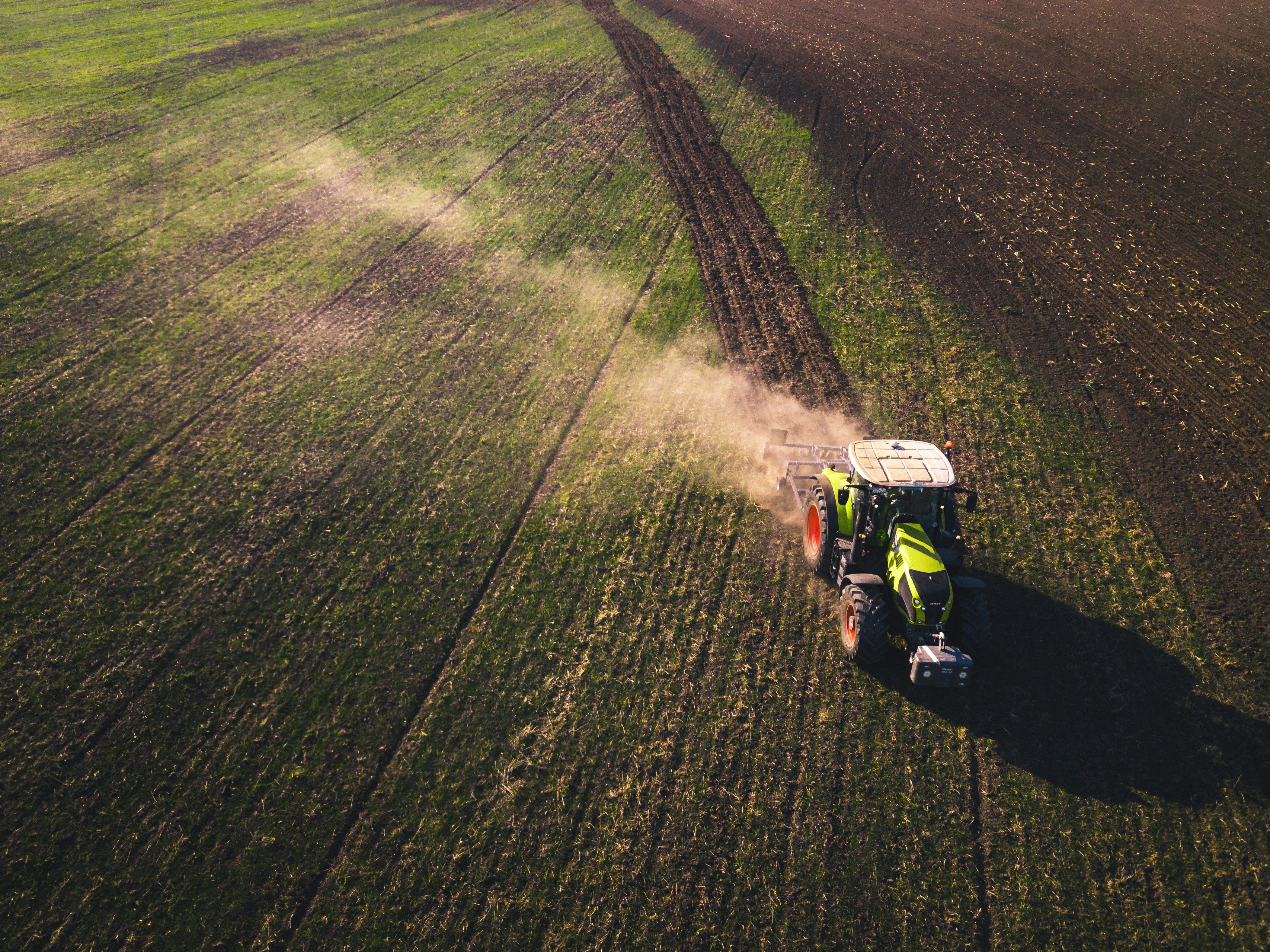
Four Environmental Challenges That Define Agricultural Rubber Selection
Agricultural rubber applications are defined by four environmental challenges that rarely appear together in other industries. Standard rubber compound selection guides built for automotive or industrial applications do not adequately address all four. Understanding each challenge and which compounds resist it is the foundation of correct agricultural rubber specification.
Agricultural equipment spends its service life outdoors. UV and ozone from the rural atmosphere attack rubber compounds through different mechanisms; UV causes surface oxidation and hardening, while ozone attacks double bonds in the polymer backbone, causing surface cracking that propagates through the part under dynamic loading. Standard nitrile (NBR) and standard SBR have no ozone resistance and crack within months in outdoor agricultural service. Neoprene (CR) provides good ozone and UV resistance at moderate cost. EPDM provides the best outdoor aging of any standard elastomer but has no oil or fuel resistance. The correct choice for any outdoor agricultural seal depends on whether oil or fuel contact is also present, since these two requirements are mutually exclusive in standard polymers.
Fertilizers, herbicides, pesticides, and fungicides contact rubber components throughout the agricultural supply chain (sprayer systems, mixing tanks, boom plumbing, and handling equipment). The chemistry varies significantly: nitrogen-based fertilizers (urea, ammonium nitrate solutions) are mildly alkaline aqueous solutions; glyphosate-based herbicides are mildly acidic aqueous solutions; many fungicide concentrates are oil-based or alcohol-based. EPDM resists aqueous fertilizer and most herbicide solutions when no petroleum contact is present. Neoprene handles mild agrochemical exposure with better oil resistance. For concentrated pesticide and solvent-based agrochemical products, FKM is often required. Always verify the specific chemical formulation against the compound’s resistance data before specifying.
Fleet and on-road diesel mandates, farm tax incentives for biofuel use, and on-farm biodiesel production from soybean or canola oil have made B20 to B100 biodiesel increasingly common in agricultural equipment. Standard nitrile (NBR) degrades in high-content biodiesel; biodiesel’s fatty acid methyl ester (FAME) content causes NBR to swell and lose mechanical properties at concentrations above B20. AEM (ethylene acrylic rubber) and FKM provide the best biodiesel resistance in fuel system seals. For equipment operating on farm-produced or high-content biodiesel, specifying NBR fuel system seals is a reliability risk that becomes visible within one season. AEM is the most cost-effective biodiesel-compatible compound for fuel system sealing where ozone and UV resistance are also needed.
Combine harvesters, planters, tillage equipment, and conveyors all contact abrasive agricultural materials: soil particles, grain, chaff, corn cobs, and rock. Rubber components in direct contact with these materials fail primarily through abrasion wear rather than chemical or thermal degradation. Polyurethane provides the highest abrasion resistance of any elastomer for direct grain and soil contact applications; wear parts in conveyors, seed delivery systems, and harvester separation units benefit significantly from urethane in dry service without agrochemical contact. Natural rubber has good abrasion resistance alongside high resilience for dynamic components. For wet or agrochemical-contact abrasive applications, neoprene provides a reasonable balance of abrasion resistance and chemical compatibility.
Agricultural Rubber Applications by Equipment Type
- Engine and transmission seals: AEM for cylinder head cover gaskets and transmission seals on modern high-output tractor engines operating above NBR’s 250°F limit with biodiesel fuels; HNBR where hot oil is present above NBR’s temperature limit
- Hydraulic system seals: NBR for standard mineral hydraulic oil at moderate temperature; HNBR for high-output tractor hydraulics above 250°F; polyurethane rod seals for high-cycle remote hydraulic cylinder applications
- Fuel system seals: AEM or FKM for fuel injector and fuel system seals on tractors operating on B20 to B100 biodiesel; standard NBR is not reliable above B20 blend content
- Cab door and window seals: EPDM sponge for tractor cab door and window weatherstripping; sustained UV and ozone resistance over multi-season service life required
- Engine mount isolators: natural rubber bonded mounts for engine vibration isolation; neoprene where oil splash from engine bay is present
- PTO and driveline seals: NBR or neoprene for PTO shaft seals; outdoor exposure requires ozone resistance so neoprene preferred over bare NBR in exposed underhood PTO locations
- Feeder house and thresher seals: neoprene and natural rubber for grain conveyor and thresher unit sealing; abrasion from grain and chaff contact with moderate UV exposure
- Grain tank door and cover seals: EPDM or neoprene for grain bin and tank closure seals; must exclude moisture and rodents while withstanding outdoor UV over the storage season
- Cab and HVAC seals: EPDM sponge for combine cab door, window, and HVAC duct sealing; long-term UV, ozone, and temperature cycling through harvest seasons
- Hydraulic cylinder seals: NBR for standard hydraulic circuits; polyurethane for high-pressure, high-cycle circuits on cutter bar and header lift actuators requiring extrusion resistance
- Conveyor and elevator seals: polyurethane wear pads and scrapers for grain elevator boot and head sealing where dry grain abrasion determines component life
- Engine and drivetrain: AEM or HNBR for combine engine seals above NBR’s service limit; high-output diesel engines in modern combines run hotter than NBR can sustain reliably
- Pump and valve seals: EPDM for aqueous herbicide and fertilizer solution pump and valve seals; must resist the specific chemical formulation at field concentration; not all EPDM grades resist all agrochemicals at full concentration
- Boom and nozzle body seals: EPDM o-rings and diaphragm seals for spray boom manifolds and nozzle bodies in herbicide and fungicide service; verify chemical resistance against the specific product label
- Tank fittings and connection seals: EPDM for mixing tank sump seals and agitator shaft seals in fertilizer and herbicide mixing systems; caustic fertilizer concentrates (ammonium hydroxide) require careful EPDM selection at full concentration temperature
- High-pressure washing seals: NBR or EPDM for sprayer equipment washdown pump seals; pressure washing with mild detergent can be accommodated by either compound depending on detergent chemistry
- Self-propelled sprayer hydraulic seals: NBR for standard mineral hydraulic systems on self-propelled sprayers; HNBR for high-temperature circuits on large high-output sprayer hydrostatic drives
- Pesticide concentrate seals: FKM for pump and valve seals in concentrated pesticide and solvent-based chemical handling where EPDM or neoprene chemical resistance is insufficient
- Auger and convey system seals: polyurethane and natural rubber wear pads and seals for grain auger casings, bucket elevator boots, and screw conveyor discharge seals where dry grain abrasion is the primary failure mode
- Bin and silo aeration seals: EPDM for aeration fan duct connections and bin access door seals; must maintain weather seal through spring warming and fall storage periods with minimal maintenance
- Grain dryer seals and gaskets: silicone for high-temperature sections of grain dryer systems where plenum temperatures exceed standard rubber limits; EPDM for ambient temperature duct and housing connections
- Grain pump and transfer seals: NBR or neoprene for wet grain transfer pumps handling moisture-damaged grain; natural rubber for dry grain pneumatic transfer system seals
- Load cell and sensor seals: silicone o-rings for moisture-protection sealing of bin weight sensors and load cells in outdoor agricultural monitoring installations
- Gravity wagon and cart seals: neoprene for gravity wagon gate seals and tailgate perimeter gaskets; must resist UV and ozone on unprotected equipment that sits outdoors season-round
- Center pivot and lateral move seals: EPDM for all water-carrying seals in center pivot irrigation systems; water, mild fertilizer injection solutions, and outdoor UV all present simultaneously; EPDM handles all three
- Pump and valve seals: EPDM for irrigation pump shaft seals and valve body seals in water and fertilizer injection service; NBR is a common error in irrigation systems and fails rapidly from UV cracking on exposed components
- Fertigation system seals: EPDM for water-soluble fertilizer injection pump and injector seals; verify concentration and pH of the specific fertilizer solution against EPDM resistance data
- Drip tape and emitter seals: EPDM and silicone for drip irrigation emitter body seals and connector fittings requiring long-term UV resistance in field-deployed drip systems
- Pivot drive motor seals: neoprene or EPDM for electric pivot drive motor housing seals; outdoor UV exposure combined with irrigation water splash at each span
- Above-ground pipe connection gaskets: EPDM for aluminum irrigation pipe gaskets and Cam-Lock coupling seals; the standard compound for aluminum irrigation pipe end gaskets throughout the industry
- Seed tube seals: polyurethane or neoprene for planter seed tube and meter brush seals; abrasion from seed contact and soil particles in the seed trench; UV resistance for field-deployed planters that sit outdoors between seasons
- Fertilizer applicator seals: EPDM for liquid fertilizer placement system tubing connections and valve seals at field application concentrations and pH
- Tillage equipment seals: neoprene for tool bar pivot seals and depth gauge wheel seals on tillage implements; UV, soil abrasion, and moderate oil splash from wheel bearings all present
- Hydraulic actuator seals: NBR for standard hydraulic remote cylinders on implements; polyurethane for high-cycle fold and depth adjustment cylinders with high extrusion loads at full hydraulic pressure
- Tree and specialty crop harvesters: natural rubber for tree shaker pads and harvester fingers; high-resilience natural rubber maximizes energy return during shaking cycles; neoprene or UV-stabilized blends for long outdoor storage
- Livestock equipment seals: EPDM for water trough and drinking system seals; natural rubber for manure handling equipment mounts where shock absorption is needed alongside chemical resistance to ammonia
Biodiesel Compatibility: The Growing Specification Challenge
The agricultural sector is the largest domestic consumer of on-road diesel fuel and one of the largest users of off-road diesel. As federal Renewable Fuel Standard mandates increase biodiesel blend requirements and as farm operators with on-farm oilseed presses run B50 to B100 in their own equipment, biodiesel compatibility has moved from a niche consideration to a mainstream specification issue for agricultural rubber.
The key chemical difference between petroleum diesel and biodiesel is the presence of fatty acid methyl esters (FAME) in biodiesel. FAME molecules are polar esters, the same class of compounds that attack the acrylic ester side groups in nitrile rubber and cause NBR to swell progressively. At B20 blend levels, the swelling is measurable but typically manageable for short-term service. At B50 and above, NBR fuel system seals in agricultural equipment show accelerated swelling, loss of mechanical properties, and premature failure that has become a recognized reliability issue in high-biodiesel markets.
AEM (ethylene acrylic rubber) is the preferred biodiesel-resistant compound for agricultural fuel system seals because it combines excellent biodiesel resistance with ozone resistance for outdoor service and thermal stability for modern high-output tractor engines. Unlike FKM, which also resists biodiesel but has a low-temperature limit that can cause cold-start sealing issues in winter field operations, AEM maintains flexibility at -40°F, the same cold temperature limit as standard nitrile, making it a direct upgrade path on the temperature and biodiesel dimensions without sacrificing cold-weather performance.
FKM is the correct choice for fuel system seals where temperature above AEM’s 375°F service limit, or where aromatic solvent resistance (such as in concentrated pesticide handling alongside fuel systems), is required. For standard tractor and combine fuel systems running B20 to B100, AEM provides the correct combination of biodiesel resistance, ozone resistance, and cold-start flexibility at lower cost than FKM.
Agricultural Compound Selection Guide
| Compound | Agricultural Applications | Key Advantage | Avoid When |
|---|---|---|---|
| AEM | Tractor and combine engine seals, fuel system seals on biodiesel equipment, transmission seals, turbocharger and EGR seals, PCV system diaphragms | Biodiesel resistance at B100 combined with ozone resistance and -40°F cold-start flexibility; the single best compound for underhood agricultural sealing on modern high-output engines running biofuels | Aromatic solvent-based pesticide contact (use FKM); applications requiring fuel immersion resistance at temperatures above 375°F; ketone or ester-based chemical contact |
| EPDM | Cab door and window seals, irrigation system seals, center pivot pipe gaskets, sprayer system seals (aqueous herbicide and fertilizer), bin and silo ventilation seals, HVAC duct connections | Best outdoor UV and ozone resistance of any standard agricultural elastomer; resists aqueous fertilizer and herbicide solutions; standard for irrigation pipe gaskets and outdoor weatherseals | Any petroleum oil or fuel contact (swells immediately); aromatic pesticide concentrate contact; applications where ozone exposure and oil contact are both present (use AEM or neoprene) |
| Neoprene (CR) | Gravity wagon gate seals, tillage implement seals, harvester seed tube components, outdoor equipment weatherstripping with moderate oil contact, PTO shaft seals in outdoor exposed locations | Moderate ozone/UV resistance alongside moderate oil and fuel tolerance; the balanced general-purpose compound for outdoor agricultural equipment sealing where some oil contact is possible | Applications requiring the best UV resistance (use EPDM); applications requiring biodiesel resistance above B20 (use AEM); sustained high-temperature oil service above 250°F |
| NBR | Hydraulic cylinder seals (mineral oil), engine oil seals on conventional diesel equipment, oil-lubricated PTO gearbox seals, standard fuel system seals on petroleum-diesel-only equipment below 250°F | Cost-effective petroleum oil and standard diesel fuel resistance; the baseline hydraulic and engine seal compound for conventional agricultural equipment; low cost for high-volume hydraulic seal applications | Outdoor UV and ozone exposure without protection; biodiesel above B20 blend; temperatures above 250°F in high-output engine applications; any agrochemical contact |
| HNBR | High-output tractor and combine engine seals above NBR’s temperature limit, high-temperature hydraulic circuits on large horsepower equipment, transmission seals in high-power-density modern transmissions | Hot oil resistance to 300°F with ozone resistance added; the correct upgrade from NBR for high-horsepower modern agricultural equipment with engine oil temperatures exceeding 250°F | Biodiesel fuel system sealing (AEM preferred for combined biodiesel and ozone resistance); cost-sensitive applications where NBR’s temperature limit is not exceeded |
| Urethane (AU/EU) | Grain conveyor wear pads, combine thresher wear parts, seed tube seals with dry grain contact, bucket elevator boot seals, pipeline pig elements in grain pneumatic systems, abrasive contact components throughout harvest equipment | Highest abrasion resistance of any elastomer; grain and soil abrasion resistance 3-10x better than natural rubber at equivalent hardness; significantly extends wear part life in grain handling equipment | Hot water or steam contact above 140°F (use EU grades for water-adjacent applications); agrochemical contact (limited resistance to caustic and ketone-based chemicals); dynamic bending fatigue applications (AU can delaminate under repeated high-angle flexing) |
| FKM | Concentrated pesticide and solvent-based agrochemical pump seals, high-temperature fuel system seals, self-propelled sprayer power unit seals in concentrated chemical environments | Broadest chemical resistance for concentrated agrochemicals that defeat EPDM and neoprene; correct for solvent-based pesticide formulations and concentrated fertilizer acids | Cold-start flexibility requirements below -15°F (use AEM or FVMQ); cost-sensitive standard hydraulic applications where NBR is adequate; aqueous low-pH agrochemicals where EPDM performs adequately at lower cost |
| Natural Rubber (NR) | Engine and equipment vibration isolation mounts, tree shaker pads, harvester fingers, flexible coupling elements, grain pneumatic transfer system seals in dry service | Highest resilience and lowest hysteresis for vibration isolation mounts; best fatigue life under repeated high-cycle dynamic loading; strain-induced crystallization for tear resistance in harvester finger applications | Any outdoor UV or ozone exposure without protective coatings; oil or fuel contact; agrochemical contact; dynamic applications in direct sunlight where ozone cracking would initiate fatigue failure |
Agricultural Rubber Products from Wayne Rubber
Agricultural Elastomers at Wayne Rubber
Request Agricultural Rubber Components from Wayne Rubber
Provide the equipment type, application zone (engine, hydraulic, fuel, irrigation, or grain handling), biodiesel blend percentage if applicable, and chemical exposure. Wayne Rubber will recommend the correct compound and provide a quote.